
What to measure before sizing an Azure migration
An inventory might tell you a server has eight cores. It takes a measurement window and a conversation with the application owner to know what the business actually needs.
Choose the question before the collection tool

 What to measure before sizing an Azure migration
For a discovery exercise using Block 64 or another inventory tool, agree on the systems in scope, the data to be collected, who can read it and when collection stops. A one-time inventory helps find machines. A time series can show whether demand peaks at payroll, during a backup or at a month-end close.
Capture a full business cycle

For a reporting server, record CPU, memory pressure, disk throughput, I/O operations and network traffic through a reporting run. Ask the owner which delay is acceptable. A quiet Tuesday can make a small instance look adequate for a job that runs on Friday night. Record any missed peak as an unanswered question.
Turn observations into a migration decision
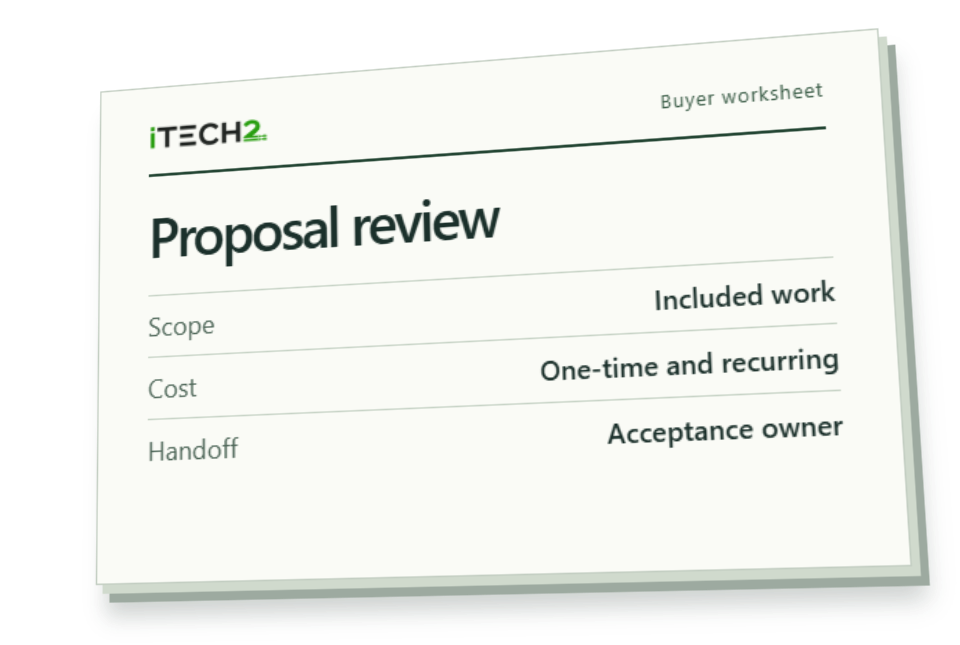
List the workload owner, dependencies, operating-system support, recovery target and candidate Azure configuration. Check licensing and price assumptions separately. Flag dependencies that must stay together, choose a pilot with a known rollback point, and compare its measured response time and bill with the estimate before expanding.
Time the review around a decision
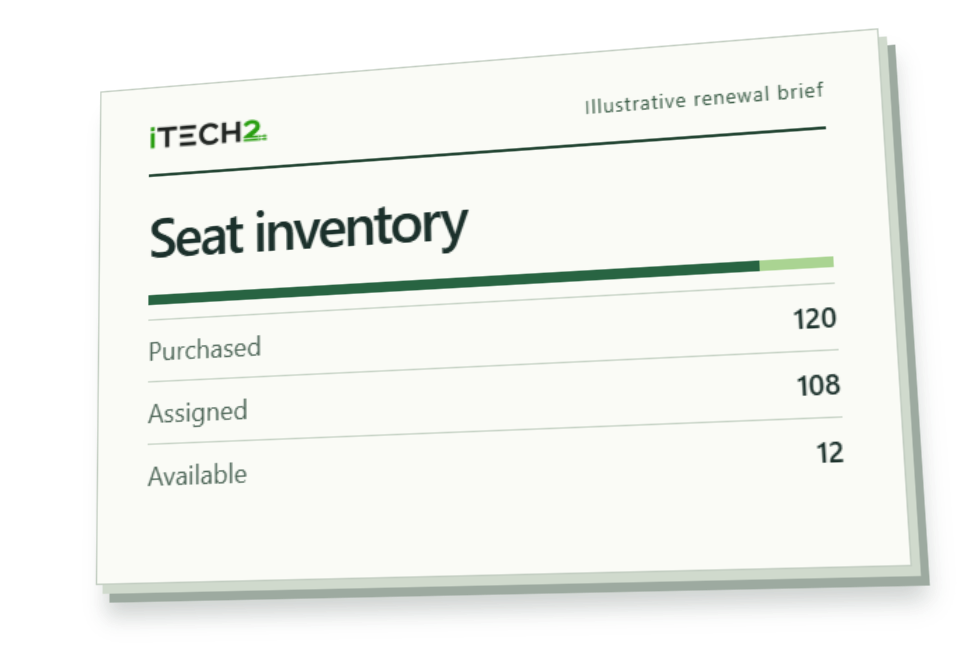
Start discovery far enough ahead of a hardware renewal or application move to observe its peak cycle. Ask for a workload-by-workload recommendation, the measurement dates and an exceptions list. These give purchasing and operations the same evidence when they choose what to move first.

Move one workload first
Choose a source workload, move a pilot copy and test the application from the user’s device.
Further reading
Common questions
What changes the estimate for a cloud move?
Peak demand, data transfer, licensing and services that must still run on site can all change the total. Ask for the assumptions alongside the estimate.
Azure migration readiness