
Cybersecurity
Connect identity, endpoint and network alerts to the people responsible for responding.

Interactive workplace
Cybersecurity
Commercial businesses
Cybersecurity
Connect identity, endpoint and network alerts to the people responsible for responding.
Related services and reading
Managed detection and response

Choose the endpoints and cloud accounts to monitor. For each alert type, identify who can isolate a device, disable an account and approve a return to service.
Bring an endpoint inventory and a sample alert with personal data removed.
Security monitoring and orchestration
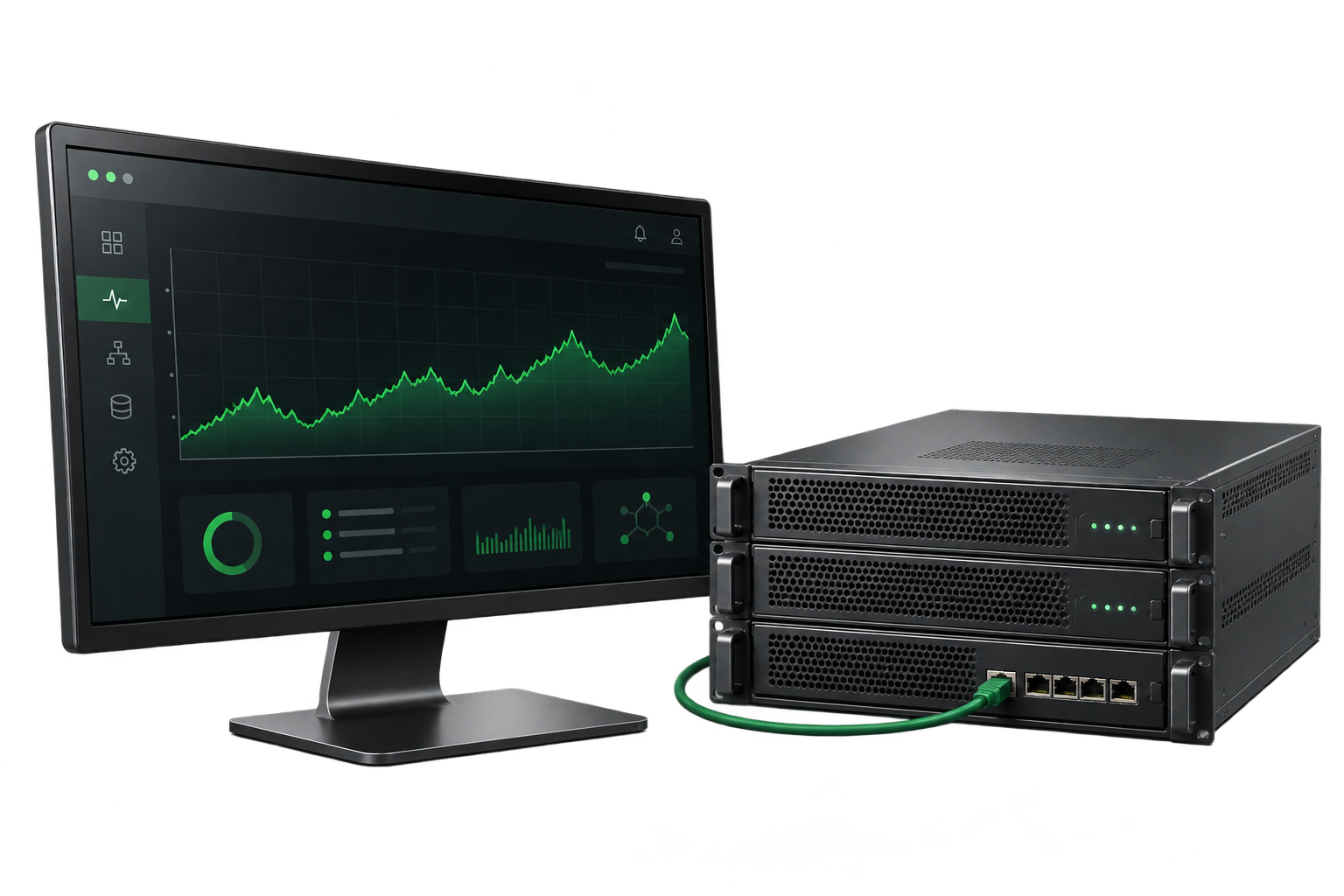
Start with a question that logs must answer. Agree which identity, email and firewall records capture the event, how long to retain them and who reviews the alert.
Bring a list of log sources and retention requirements.
Incident response
Write down who can declare an incident, whom to notify and where the team can coordinate if its usual communication tools become unavailable.
Bring the incident contact list and recovery priorities.
Security awareness
Give staff one clear way to report unexpected messages and requests for access. Rehearse how the help desk acknowledges and routes a report.
Bring the reporting workflow used during onboarding.
Security testing

Define the systems included in an authorized review, the business owner, approved test window and format for findings. Agree who will track fixes and verify closure.
Bring a scope statement and authorized contacts.
Compliance management
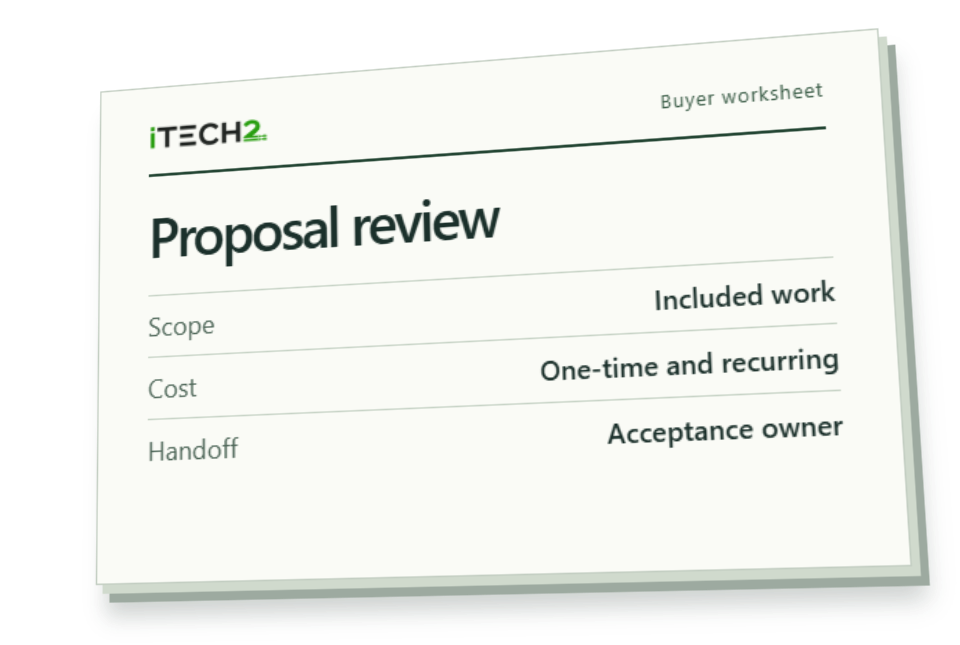
Translate each applicable requirement into an owner, an operating procedure and a piece of evidence. Separate technical remediation from the independent assessment decision.
Bring the requirements your organization has identified, including any CMMC obligations.
What happens after an alert?
Agree who reviews identity, endpoint and email alerts, who can approve containment and how staff escalate an unanswered notification. At the next review, select one closed incident and trace it from detection through recovery.
Run a response exercise
Follow an alert to its owner
A reported message reaches the security team. A named reviewer records the decision and follow-up.
Decide what protection needs to cover
- Identity, email and endpoint alerts
Agree which events need review, how a decision is recorded and who can authorize containment. Ask how a managed endpoint platform such as CrowdStrike would fit the current estate and agreement.
Plan detection coverage- Response and assurance
Give the application owner a written response path and use a redacted example to check notification, evidence handling and closure.
Plan an incident response- Sector and site requirements
A clinic workstation, a school network and a branch office have different access patterns. Choose the operating environment before scoping review hours and on-site needs.
Find industry services
Review the technology in your environment
Identify the products, editions and support contracts you already use. Ask who would operate each component after the project and what vendor evidence your purchasing team needs.
Browse provider resources · Request verification of a designationFrom the Managed IT Services USA field notes
Further reading
Common questions
Who should receive a security finding?
Give each finding to someone who can authorize a change. Record the affected system, business impact, due date and evidence needed for closure.
Incident response planning