
Comparing cloud and on-site costs
Build the comparison around one workload with a known business owner.
Gather the evidence

 Comparing cloud and on-site costs
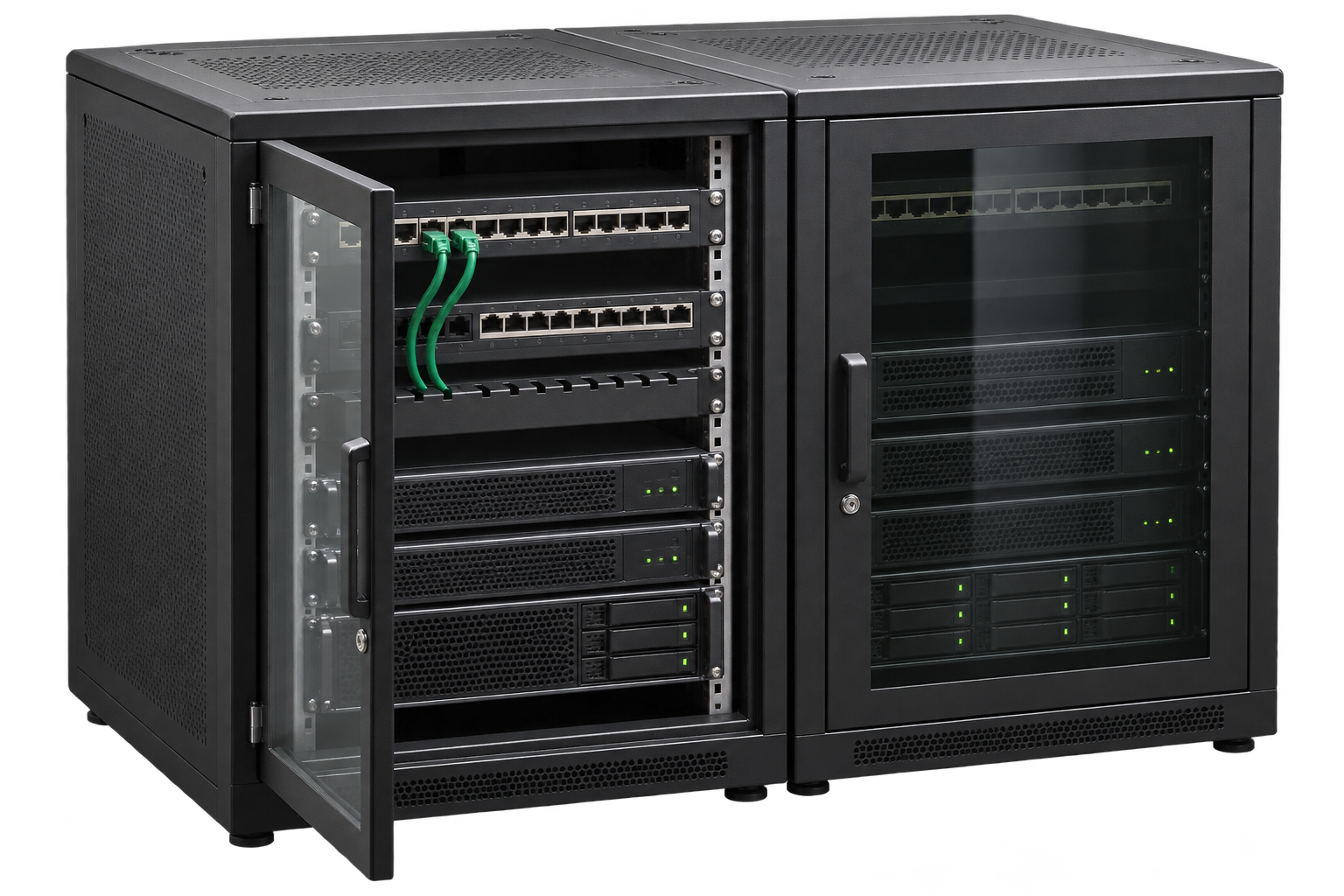
Inventory the hardware, support, storage, connectivity and operating work needed on site. For cloud, include compute, storage, transfer, licensing and the work of running the environment.
Work through the decision
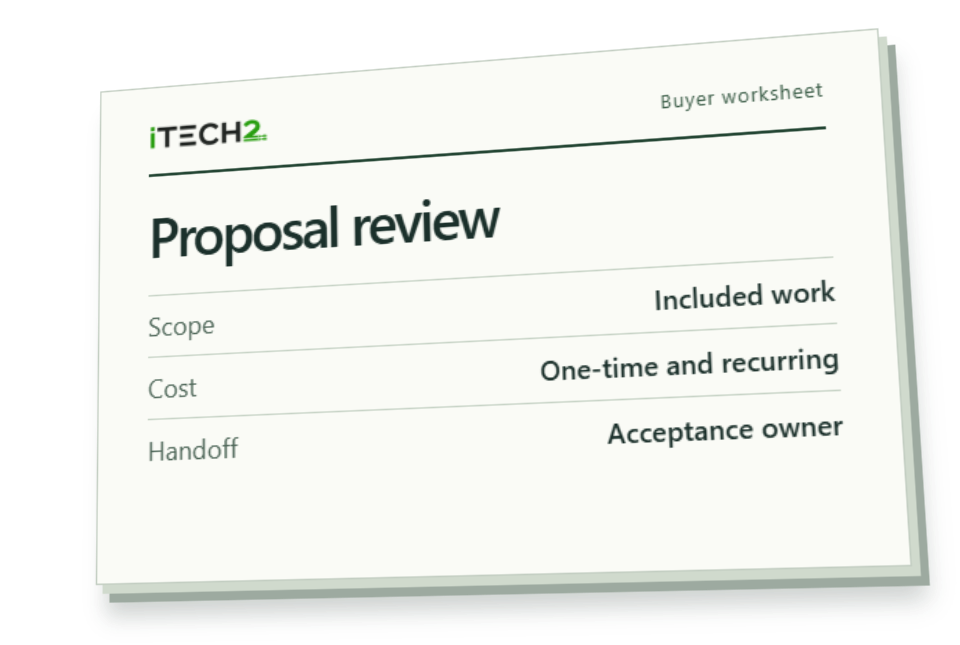
Compare both choices over the same period. Document assumptions about growth, peak load, recovery and the cost of moving.
Price the quiet hours as well as the peak
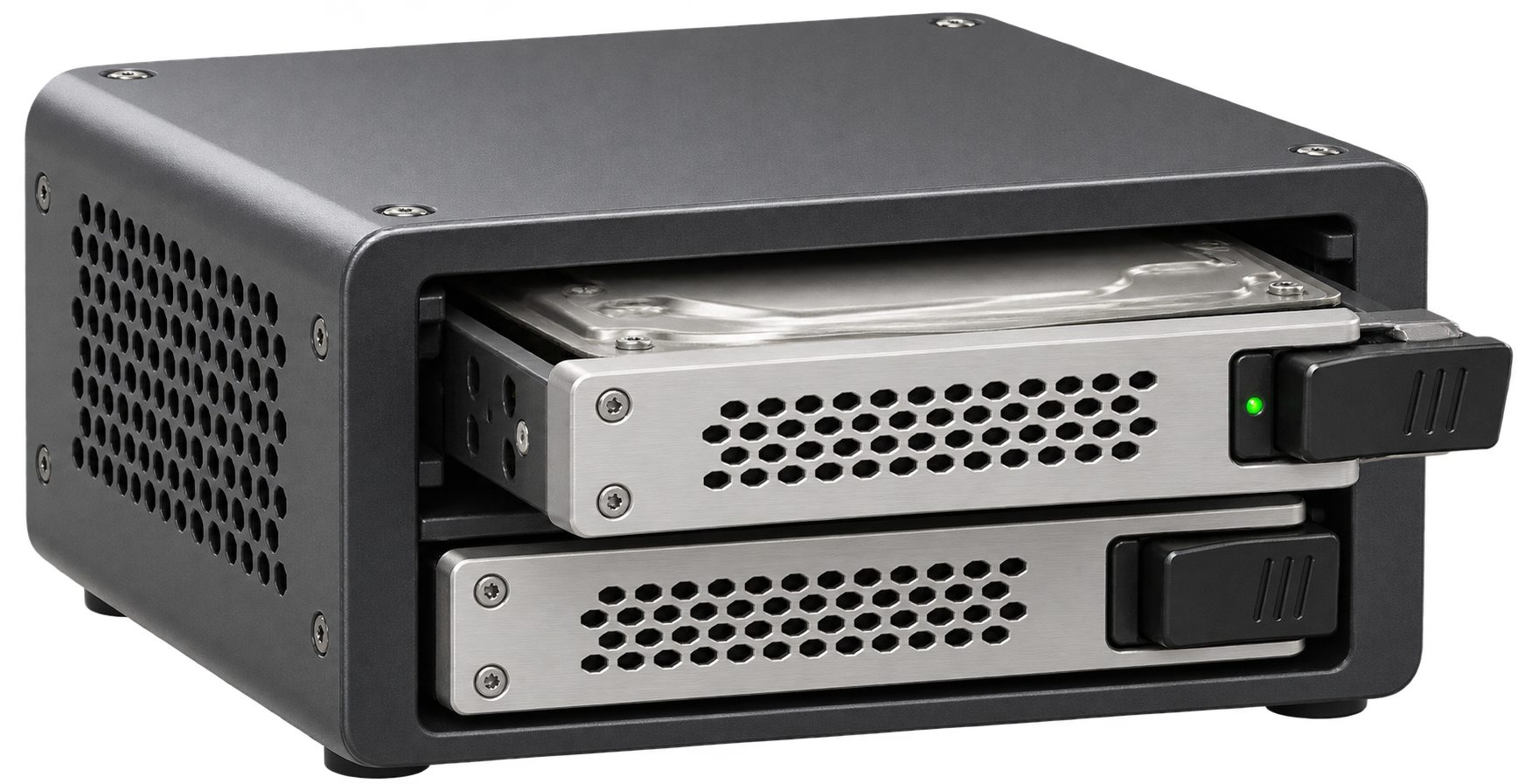
A reporting server runs month-end jobs for two days but its storage and backups persist all month. Compare a full billing cycle with the equivalent on-site period, including maintenance hours.
Record peak compute, baseline storage, transfer volume, staff time and the source of each figure.
Move one workload first
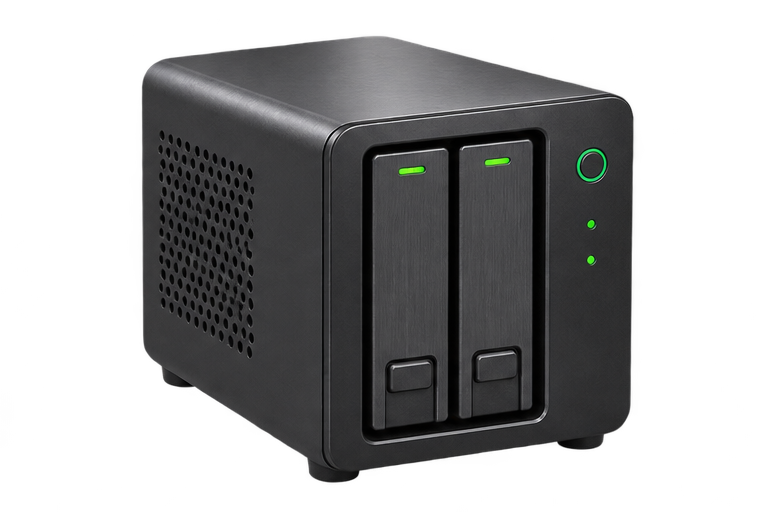
Choose a source workload, move a pilot copy and test the application from the user’s device.
Further reading
Browse 10 related articles
- A vendor sends a security advisory. Who checks it?
- A practical acceptance test for a Copilot pilot
- What to check before buying Microsoft 365 E7
- Which dependency could delay your cloud cutover?
- Build a project decision log that survives handover
- Two breach reviews to bring to your next IT meeting
- Should the next server refresh move to Azure?
- From a Copilot readiness report to a pilot list
- What to measure before sizing an Azure migration
- What to ask a supplier about post-quantum migration
Common questions
What changes the estimate for a cloud move?
Peak demand, data transfer, licensing and services that must still run on site can all change the total. Ask for the assumptions alongside the estimate.
Azure migration readiness