
How to scope the IT side of a clinical AI pilot
Before a tool reaches a care team, clinical leadership needs to define its intended use. The IT brief should identify the data boundary, the reviewer and the route for stopping the pilot.
Separate the intended uses

 How to scope the IT side of a clinical AI pilot
A scheduling forecast, a patient-specific recommendation and a detection aid have different users and consequences. Document who is qualified to evaluate each proposed output and which inputs may be used during review.
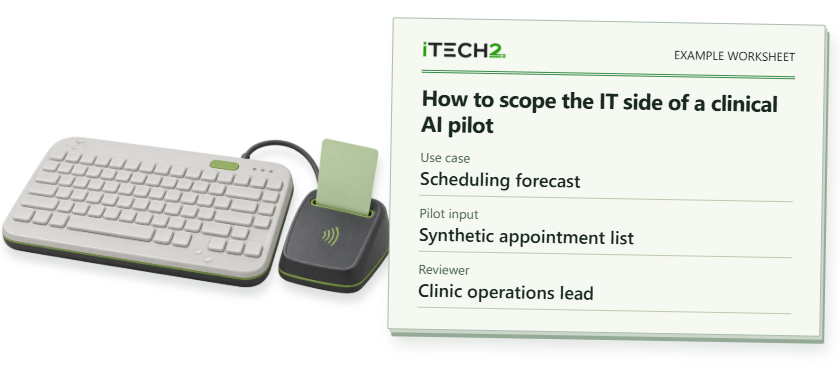
- Use case
- Scheduling forecast
- Pilot input
- Synthetic appointment list
- Reviewer
- Clinic operations lead
Design a controlled handoff

Begin the technical evaluation with approved test data. Record access, retention, integration points and the process for correcting an output. Clinical validation and approval belong with the designated clinical governance team.
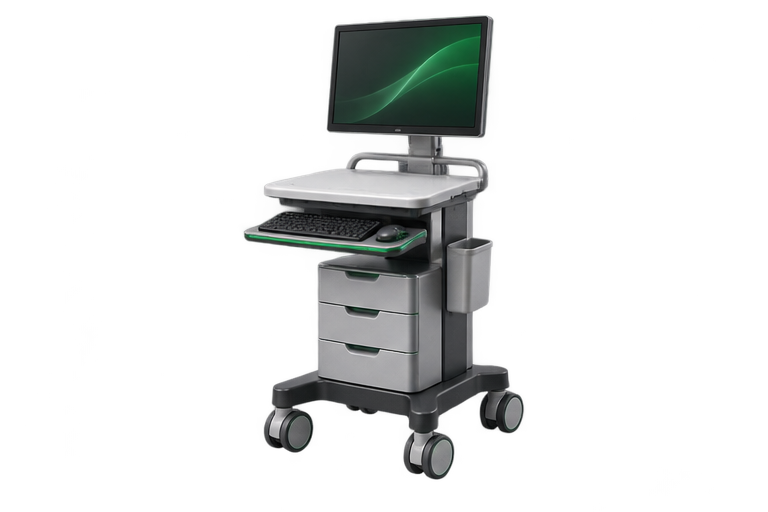
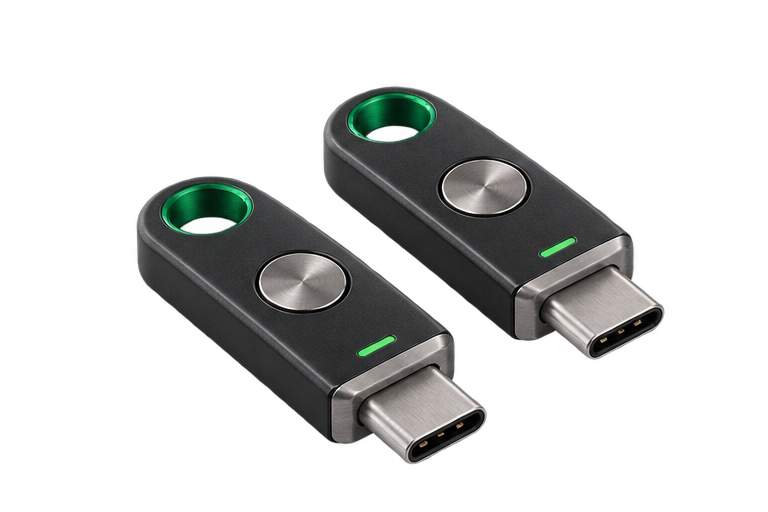
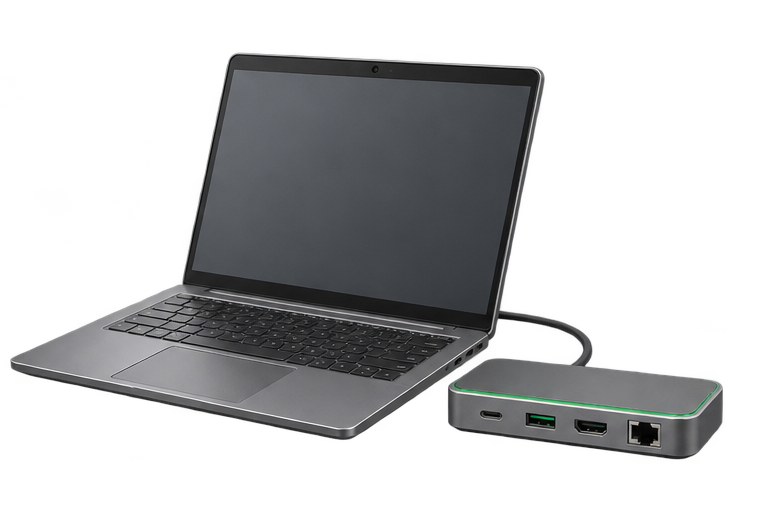
Follow a clinic sign-in
Trace a staff role from the clinic desk to a workstation and validate access using an approved test account.
Further reading
Browse 10 related articles
- A vendor sends a security advisory. Who checks it?
- A practical acceptance test for a Copilot pilot
- What to check before buying Microsoft 365 E7
- Which dependency could delay your cloud cutover?
- Build a project decision log that survives handover
- Two breach reviews to bring to your next IT meeting
- Should the next server refresh move to Azure?
- From a Copilot readiness report to a pilot list
- What to measure before sizing an Azure migration
- What to ask a supplier about post-quantum migration
Common questions
Who verifies that a shift can resume after maintenance?
Choose a clinical workflow owner before the change. Have that person validate sign-in and access at a shared station with an approved test account.
Clinical shift handoff