
← Field notes
Build a register for security decisions
A policy becomes easier to operate when each exception has a business owner, review date and record of approval. Start with a single information system.
Write one decision in full

 Build a register for security decisions
Record the asset, proposed exception, business reason, compensating measure and approver. Give the owner a date to close the exception or explain why it should continue.
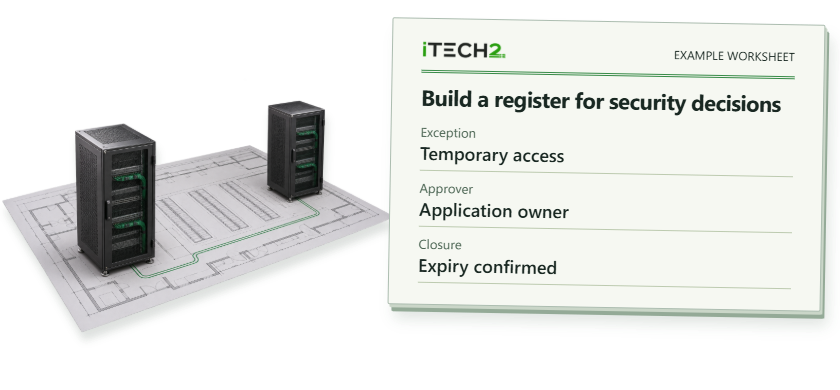
- Exception
- Temporary access
- Approver
- Application owner
- Closure
- Expiry confirmed
Review what changed
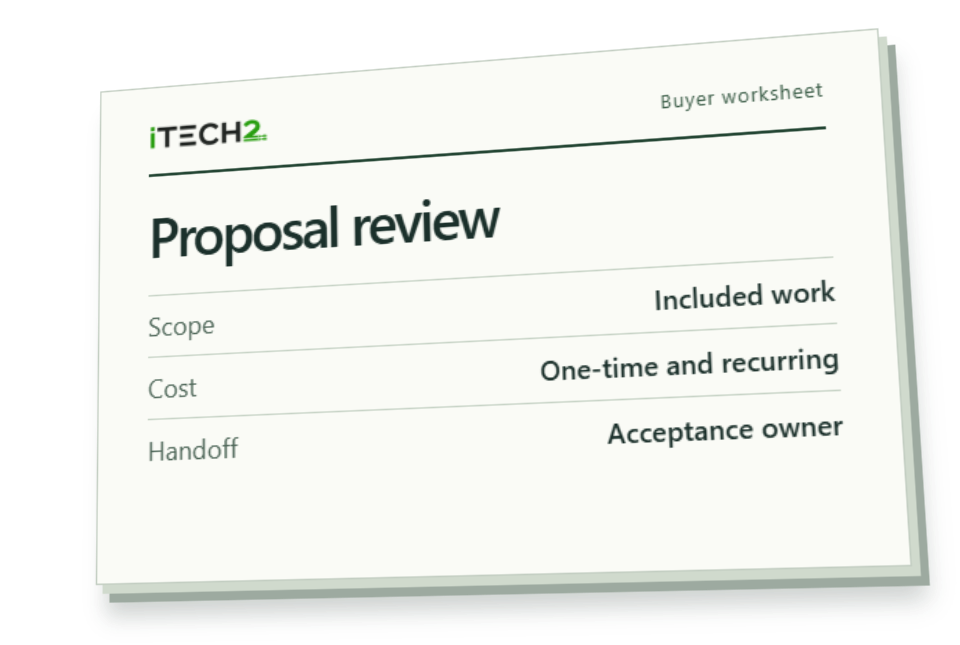
At the next review compare the decision with current access and system ownership. Close expired exceptions, record completion evidence and send unresolved decisions to the person authorized to accept risk.
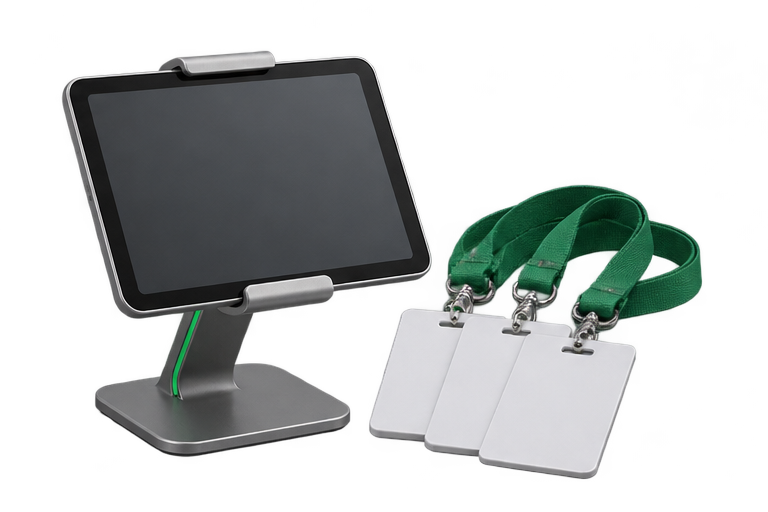
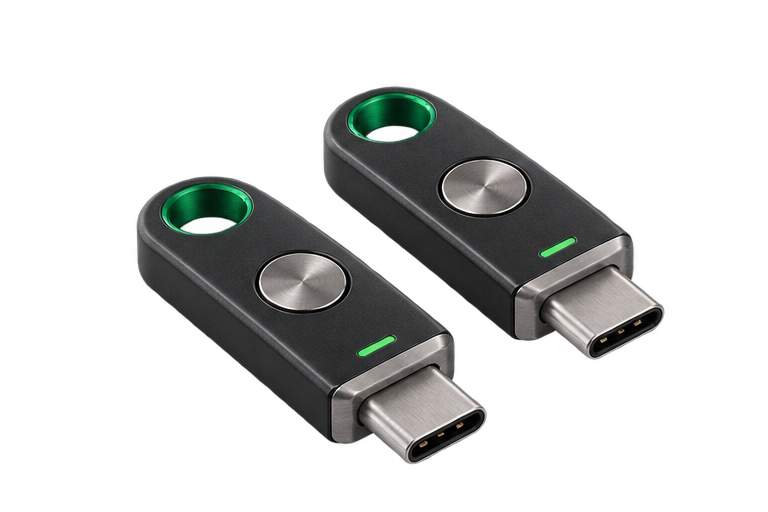
Follow an access decision
Check the person’s role, grant the agreed access and verify the result with the account owner.
Further reading
Browse 10 related articles
- A vendor sends a security advisory. Who checks it?
- A practical acceptance test for a Copilot pilot
- What to check before buying Microsoft 365 E7
- Which dependency could delay your cloud cutover?
- Build a project decision log that survives handover
- Two breach reviews to bring to your next IT meeting
- Should the next server refresh move to Azure?
- From a Copilot readiness report to a pilot list
- What to measure before sizing an Azure migration
- What to ask a supplier about post-quantum migration
Common questions
What evidence supports an access review?
Use an approved role list, the current assignments and the owner’s last decision. Keep the expiry date with temporary exceptions.
Access review checklist