
Five defensive controls to check before a recovery exercise
Review identity, device management, network boundaries, alert handling and recovery together. For each control, ask for an observable result from your own environment.
Test the normal operating records

 Five defensive controls to check before a recovery exercise
Take one approved access review, one completed device update and one network-boundary decision. Verify the responsible person and closure evidence. Reconcile any device missing from the reports.
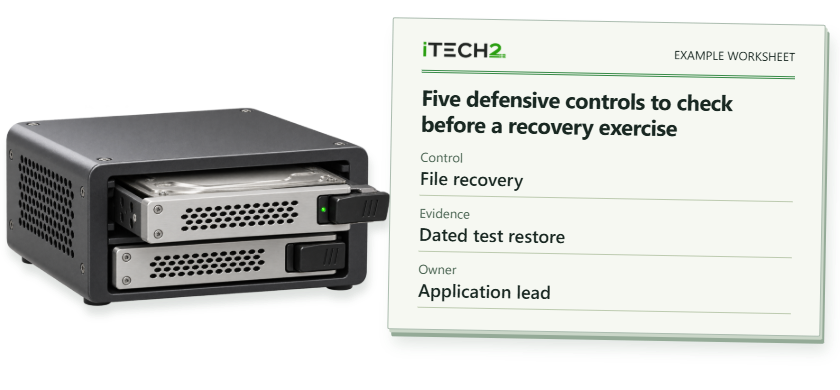
- Control
- File recovery
- Evidence
- Dated test restore
- Owner
- Application lead
Connect response to recovery
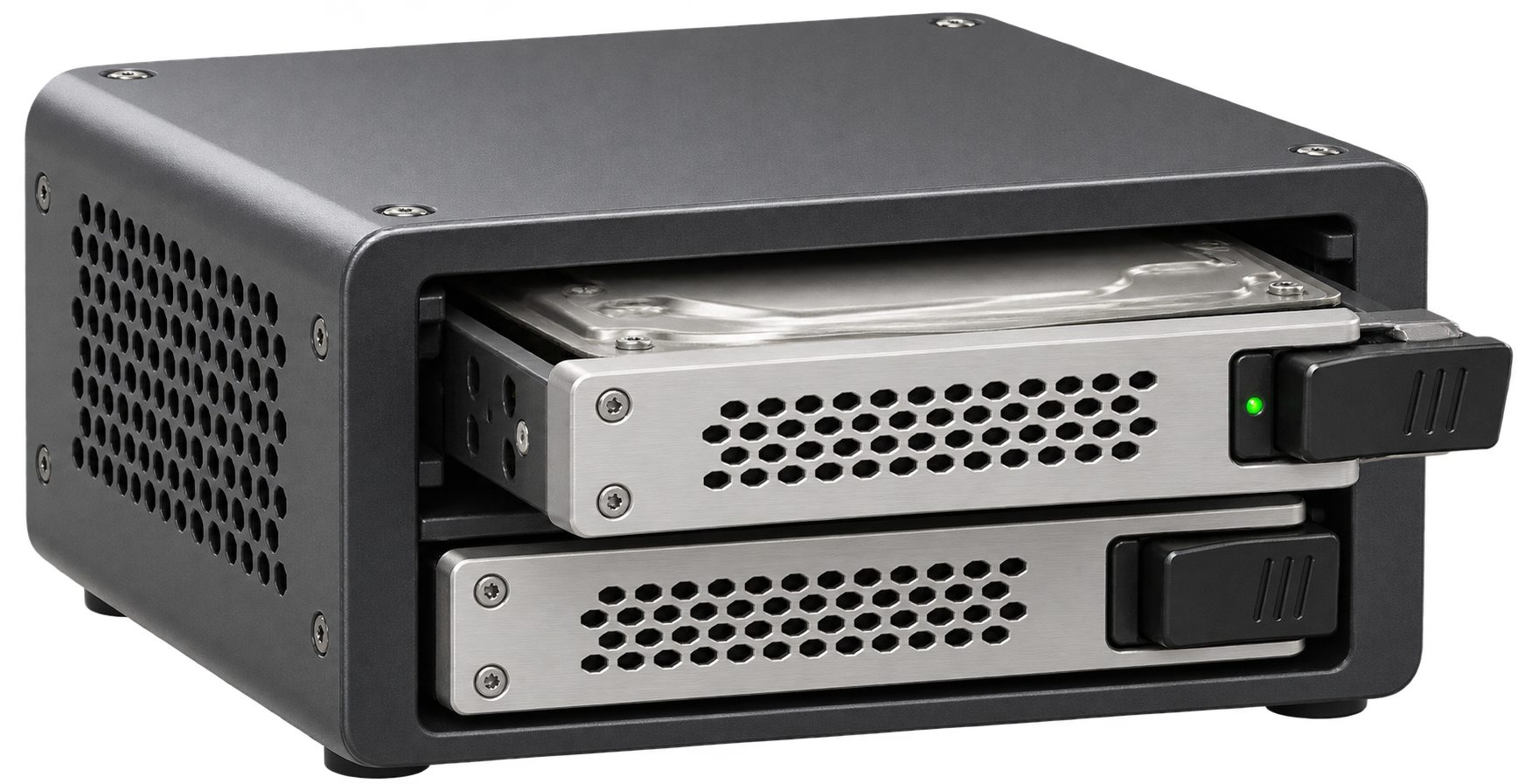
Walk a harmless alert through the escalation contacts and time a sample restore. Give each exception an owner, business impact and review date so the exercise ends in a decision.

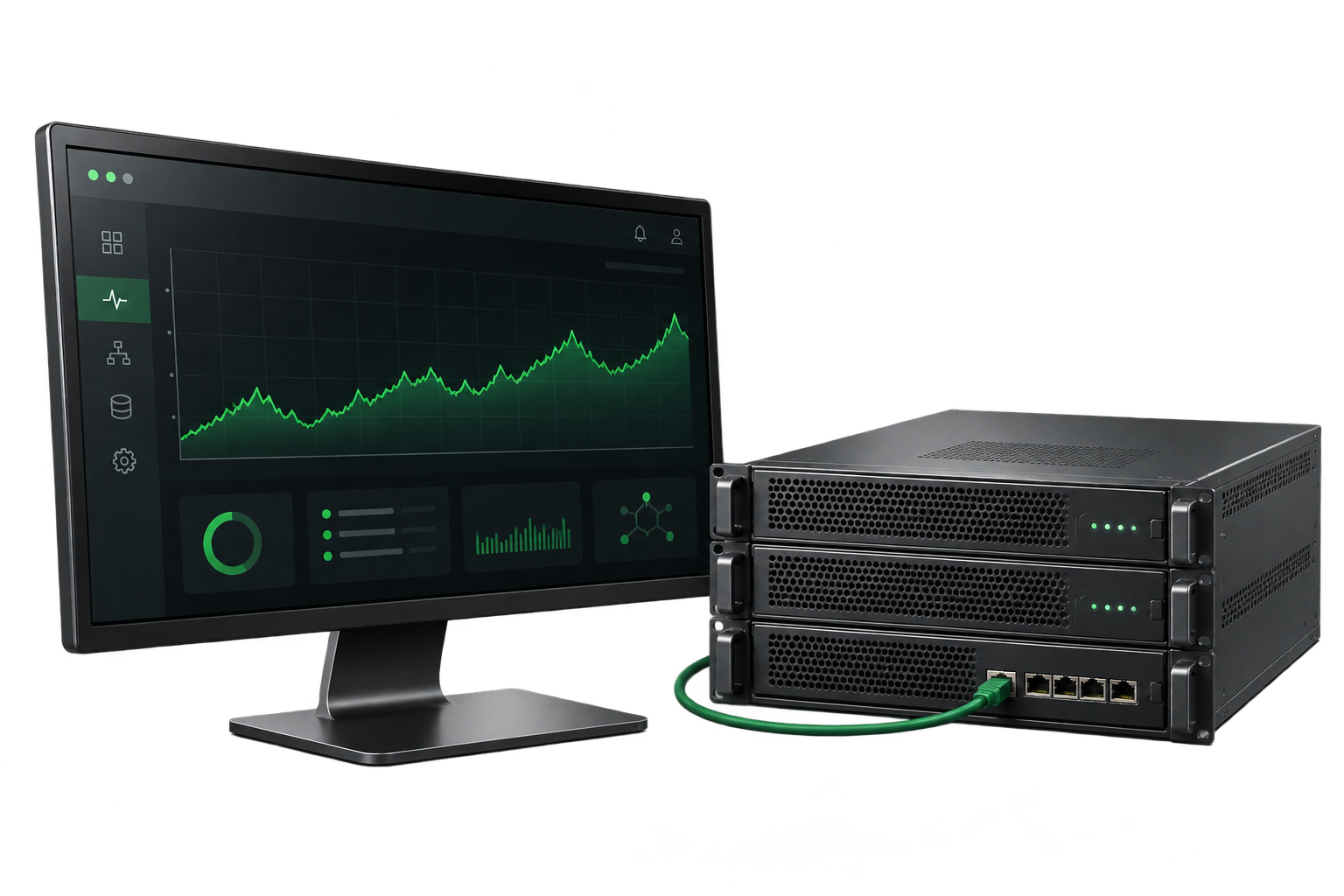
Check the recovered copy
Select a recovery point, restore a sample and have its owner open the recovered files.
Prepare evidence for an insurance renewal
- Identity
- Ask the broker for the actual questionnaire. For each identity question record the systems covered by multifactor authentication and list excluded accounts separately.
- Endpoints
- Compare the device inventory with endpoint protection and patch reports for the same date. Identify offline and unsupported devices so an authorized signer can qualify the answer.
- Recovery
- Include a dated restore result with the affected system, elapsed time and sign-off. Send the evidence and exceptions to the broker to clarify the insurer’s own terms.
Further reading
Browse 11 related articles
- Reconcile a Defender for Endpoint deployment with the device inventory
- A vendor sends a security advisory. Who checks it?
- A practical acceptance test for a Copilot pilot
- What to check before buying Microsoft 365 E7
- Which dependency could delay your cloud cutover?
- Build a project decision log that survives handover
- Two breach reviews to bring to your next IT meeting
- Should the next server refresh move to Azure?
- From a Copilot readiness report to a pilot list
- What to measure before sizing an Azure migration
- What to ask a supplier about post-quantum migration
Common questions
How do we know a restore is useful?
Have an intended user open the recovered item with their normal permissions. Record its date, completeness and the elapsed recovery time.
Recovery planning guide